Understand Essential Roofing Services to Ensure Your Homes Safety and structural strength.
The necessity of maintaining a secure and long-lasting roof cannot be overstated. Homeowners often overlook necessary roof care until significant problems arise. Periodic assessments help find underlying problems, while understanding standard fixes can prevent costly damage. Knowing about roofing components and the importance of water runoff also contributes significantly in roof longevity. As homeowners manage these details, knowing how to choose the right contractor is equally essential. What measures should be taken to protect their property?
Importance of Regular Roof Inspections
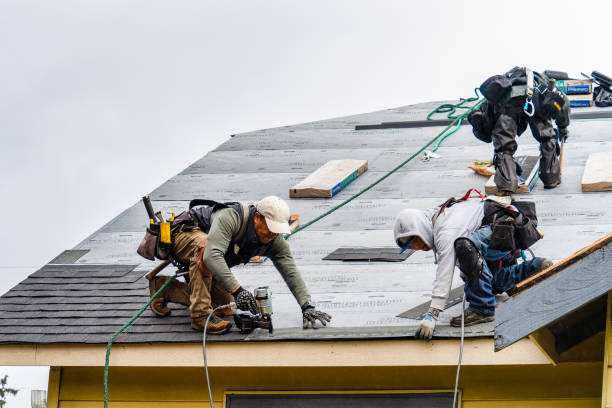
Even though many property owners neglect this, the necessity of routine roof checks is extremely high. These inspections are essential for preserving the soundness of a home. Roofs naturally degrade over time due to various environmental factors, including the elements, collected refuse, and deteriorating shingles. Regular inspections help identify potential issues before they turn into major issues, such as leaks or structural damage. In addition, proactive roof maintenance can extend the lifespan of the roofing system, reducing major repair expenses in the long run. Inspections should ideally be conducted at least once a year or after severe weather events. Hiring certified roofing experts ensures a complete evaluation, as trained experts can spot initial evidence of decay that an untrained eye might miss. Finally, making regular inspections a priority contributes to a safe and secure living environment, protecting both the property and its occupants.
Common Roofing Repairs and Their Benefits
Periodic assessments do more than just find trouble but also pave the way for necessary roofing repairs when damage is noticed. Common roofing repairs include stopping water flow, installing new roofing components, and removing blockage from drainage. Fixing water intrusion quickly can stop moisture deterioration and fungal development, safeguarding the home’s structure and inside spaces. Mending worn shingles boosts the roof's structural soundness and improves curb appeal, guaranteeing long-term durability. In addition, removing debris from gutters avoids water overflow, which can lead to costly repairs and foundation issues.
These repairs contribute greatly to extending the roof's useful life and preserving energy savings. Homeowners who invest in routine maintenance and prompt fixes can steer clear of major, expensive overhauls later on. Ultimately, resolving standard roof concerns not only guarantees the safety of the home but also offers homeowners tranquility, confident that their home is safeguarded against the elements.
Roof Replacement Procedures

A roof replacement project requires numerous crucial phases to ensure a long-lasting and effective setup. To start, the existing roof undergoes a detailed examination to determine its current shape and determine the necessary repairs or replacements. Once the assessment is complete, homeowners must select a qualified roofing contractor capable of outlining a proper plan and completion date for the job.
The subsequent phase is stripping the old roof, such as shingles, flashing, and underlayment. This stage is crucial for finding hidden issues to the roof's base. Once the stripping is done, necessary repairs are made to the decking, guaranteeing a strong foundation for the new roof.
When the base is sound, new roofing components are installed, and then proper flashing is fitted and air circulation systems. Finally, a thorough cleanup is performed, making the property look spotless and ensuring the new roof offers long-lasting protection.
A Guide to Roofing Materials and Longevity
Knowing about roofing components is vital for homeowners looking to make informed decisions about their roofs. All roofing material varieties has a unique useful life and maintenance requirements, affecting future expenses and resilience. By looking at typical materials, their longevity, and the required maintenance, people can more effectively prepare for their roof requirements.
Types of Standard Roofing Materials
A variety of roofing components are offered, all providing distinct advantages and varying lifespans. Asphalt roofing materials are a common choice thanks to their low cost and ease of installation, they are often chosen for private residences. Roofing made of metal, which is highly durable and requires little upkeep, comes in various styles, such as standing seam and ribbed panels. Tiles used for roofing, usually composed of clay or concrete material, provides a distinctive aesthetic and resists severe weather. Slate roofs, despite the higher price, is valued for its longevity and attractive appearance. To conclude, synthetic materials, such as rubber or plastic, present green alternatives with the look of traditional materials. Each type serves specific needs, ensuring homeowners can select the best fit for their property.
How Long Roofing Options Last
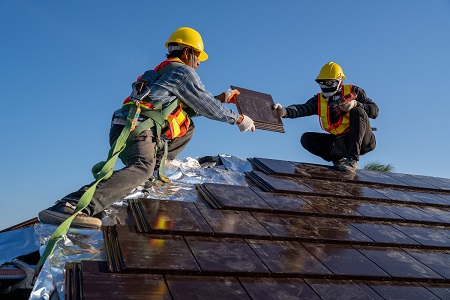
Choosing roofing materials requires looking at more than just their appearance and cost but also their longevity. Different roofing options exhibit varying lifespans, influencing the property owner's financial commitment over time. Asphalt shingles usually endure for about 15 to 30 years, based on their quality and how they were installed. Metal roofing, famous for its resilience, can last between 40 and 70 years when installed properly. Clay and concrete tiles have a long lifespan, often reaching 50 years or more. Wooden shingles, though they look attractive, generally last between 20 to 25 years, affected by weather and care. To conclude, synthetic materials can vary widely, with certain choices engineered to endure a maximum of 50 years. Understanding these lifespans assists property owners in deciding wisely regarding their roofing investments.
Roof Maintenance for Durability
Consistent care is vital for maximizing the lifespan from your roof components. Property owners need to regularly check their roofs for damage, such as lost tiles, cracks, or moss growth. Addressing these issues promptly stops greater damage from occurring. Various roofing materials last for different lengths of time; for example, asphalt shingles usually endure 15 to 30 years, while metal roofs can endure 40-70 years with proper care. Consistent upkeep of gutters and downspouts is crucial to make certain water drains freely, reducing the risk of leaks and structural damage. In addition, employing an expert for annual inspections can assist in finding potential problems at an early stage - Massapequa Roofing Company. By being aware of the specific maintenance needs of their roofing material, homeowners can greatly enhance their roof's durability and ensure long-term protection for their homes
The Role of Gutters in Roof Maintenance
Gutters play an critical function in roof maintenance by guiding runoff away from the structure. Operational gutters keep water from accumulating on the rooftop, which can lead to leaks, mold growth, and structural issues. They direct runoff downwards and away from the foundation, safeguarding the integrity of the home.
Regular inspection and cleaning of gutters are crucial, as debris can obstruct flow and form obstructions. When gutters are neglected, they can overflow, resulting in moisture entry into walls and ceilings, ultimately resulting in costly repairs.
Additionally, well-maintained gutters improve the performance of a roofing system, making it last longer. Homeowners should prioritize gutter maintenance as part of their comprehensive roof maintenance plan, making sure that these critical elements operate effectively. By taking this action, they contribute to the durability and safety of their homes, showing the absolute necessity of gutters in roof maintenance.
Choosing a Trustworthy Roofing Contractor
How can homeowners ensure they choose a trustworthy roofing contractor? First, it is vital to perform detailed investigation. Homeowners should look for suggestions from friends, family, and online reviews to locate reputable contractors in their area. Next, verifying credentials is essential; a reliable contractor should possess appropriate licenses, insurance, and certifications.
Homeowners should also solicit itemized proposals from multiple contractors, evaluating prices and services offered. Maintaining open dialogue is key, as a honest contractor will be responsive and forthcoming about their processes.
In addition, looking at completed jobs and customer testimonials can give an idea into the contractor's quality of work and reliability. In conclusion, it is advisable to choose a contractor that provides guarantees on the materials and the workmanship, which guarantees lasting support and protection for the homeowner’s investment. Following these steps, homeowners can significantly boost their likelihood of choosing a reliable roofing contractor.
Frequently Asked Questions
What is the Recommended Frequency for a Roof Inspection?
Experts recommend scheduling a roof inspection a minimum of two times annually, preferably during the spring and autumn months. Furthermore, inspections should occur after severe weather events to evaluate any potential harm and maintain continuous roof integrity.
What Are the Signs of Roof Damage to Be Aware Of?
Signs of roof damage include missing shingles, leaks, bowing, dark spots on ceilings, missing granules in the troughs, and visible moss or algae growth. Immediate associated resource action on these concerns can stop further harm and costly repairs.
Am I Able to Handle Roof Repairs Personally?
Yes, individuals can perform roof repairs themselves provided they have the right tools and skills. Nonetheless, prudence is recommended, as incorrect fixes could result in more deterioration or risks, meaning expert help may be needed down the line.
In What Way Do Weather Patterns Influence Roofing Materials?
The weather heavily influences roofing materials, leading to wear, damage, or degradation. Massapequa Roofing Company. Extreme temperatures, moisture, and UV exposure can weaken integrity, which may cause leaks or problems with the structure. Regular maintenance is essential to reduce these consequences and prolong lifespan
What Is the Average Cost of a Roof Replacement?
The average cost of a roof replacement usually falls between $5,000 and $15,000, based on variables like roof size, material type, and geographical location, which affects the total cost and installation standard.